


Analyzing gait mechanics
I’m identifying that I'm a coding agent who can answer general queries without running shell commands. I should keep my responses concise, potentially using bullet points. It seems the biomechanics of normal gait involve contralateral arm swing, which relates to spinal pattern generators. The term "顺拐" refers to ipsilateral coupling, possibly suggesting intentional movement for fun. However, the question indicates that many children might do this unconsciously, so there are layers to consider here.Proposing causes of gait changes
I’m considering several potential causes for the shifts in movement patterns. First, there's less spontaneous rough-and-tumble play, which traditionally develops cross-lateral patterns through activities like crawling and climbing. Additionally, increased sedentary screen time could reduce cross-body movement. PE classes often emphasize drills that might lead to same-side swinging if taught incorrectly. Other factors might include heavy backpacks, posture issues from device use, and even trends on short video platforms that encourage mimicking specific dance styles. Neurological coordination disorders could play a role, but they likely affect only a minority.Suggesting practical strategies
I’m outlining some straightforward actions to support movement development. First, we could screen children with heel-to-toe walks, one-leg balances, and cross-crawl tests. Practicing cross-lateral movements, like crawling and skipping, is essential too. Marching cues such as "opposite hand to opposite knee" can help. It's important to reduce constraints by allowing free arm movement and using lighter backpacks. Strengthening exercises should include hip and shoulder mobility, and for persistent clumsiness, referring to a physical or occupational therapist is advisable. This will all ensure that parents and PE teachers have practical tips to follow!
为什么小孩“顺拐”变多?
生理基础:正常步态是对侧手脚同时摆动(躯干旋转+脊髓步行中枢协同);“顺拐”是同侧手脚一起动,多见于紧张、摆臂受限或没形成对侧协调习惯时。
常见原因:
- 户外自由玩耍减少,爬、滚、攀、投等“跨中线”活动不足,双侧协调发育慢。
- 久坐看屏幕、含胸圆肩,肩带僵硬,摆臂幅度变小,容易同侧“捆绑”。
- 单肩背包、手里拿手机/书本,限制自然摆臂,形成错误模式。
- 体锻课偏队列但示范/口令不规范,把顺拐当成“整齐”在练。
- 负重书包抑制躯干旋转;少数是发育性协调障碍或神经肌肉因素。
简单自检:
- 原地“右手碰左膝、左手碰右膝”跟节拍做30秒,是否能稳住节奏。 
- 四点跪交叉爬行30秒是否连续不卡顿。
- 单脚站30秒、脚跟—脚尖直线走是否明显困难。
纠正训练(每天5–10分钟,2–3周见感受):
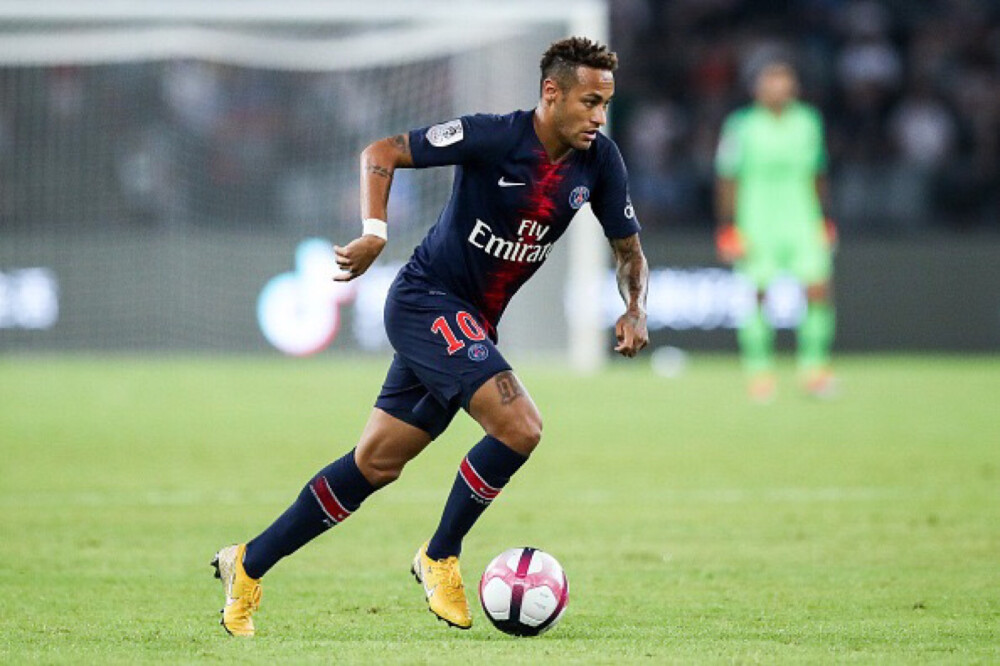- 交叉走(cross-crawl):原地抬膝,对侧手触膝/踝;再转为慢走保持对侧摆臂。
- 熊爬/跪爬:对侧移动,穿插钻垫或跨障碍。
- 跳绳交替脚、跨步跳(skipping)、滑步/葡萄藤步(carioca)练躯干旋转。
- 扔接球跨中线:右手向左侧目标投,反向接。
- 习惯改造:双肩背包减负,走路尽量空出双手;摆臂提示“手到裤缝—手到口袋口”。
- 活动与力量:开胸拉伸、肩胛绕环;桥式、鸟狗式激活核心与臀部。
教学小技巧(家长/老师):
- 口令:”手找对侧膝“、“看前方听脚步,不看手”;配节拍器100–120bpm。
- 先原地对侧节奏→慢走→再加速;宁慢不快,先稳再快。
- 用镜子/视频即时反馈,每次2–3分钟,日常走路随时强化。
何时就医:
- 伴随明显笨拙、频繁摔倒、走路疼痛、左右差异大,或练习半年无改观,建议就诊运动/儿科康复或物理治疗评估。
多数孩子的“顺拐”是习惯与活动不足导致,可逆。增加跨中线、对侧协调类游戏,几周到数月能明显改善。需要,我可以按年龄段给一周训练小计划。